Benefits and Drawbacks of PDLC Smart Film
Smart film is not for everyone, so below we honestly cover both the benefits and the drawbacks. We will answer the question of whether investing in PDLC film is worth it for your space.
Is smart film the right choice for you?
Privacy
There are various privacy options on the market, but only smart film delivers privacy in a second, at the click of a button. In the frosted state, the film provides full visual privacy in both directions, and the room does not go dark because the film still lets diffused daylight through.

UV and IR protection
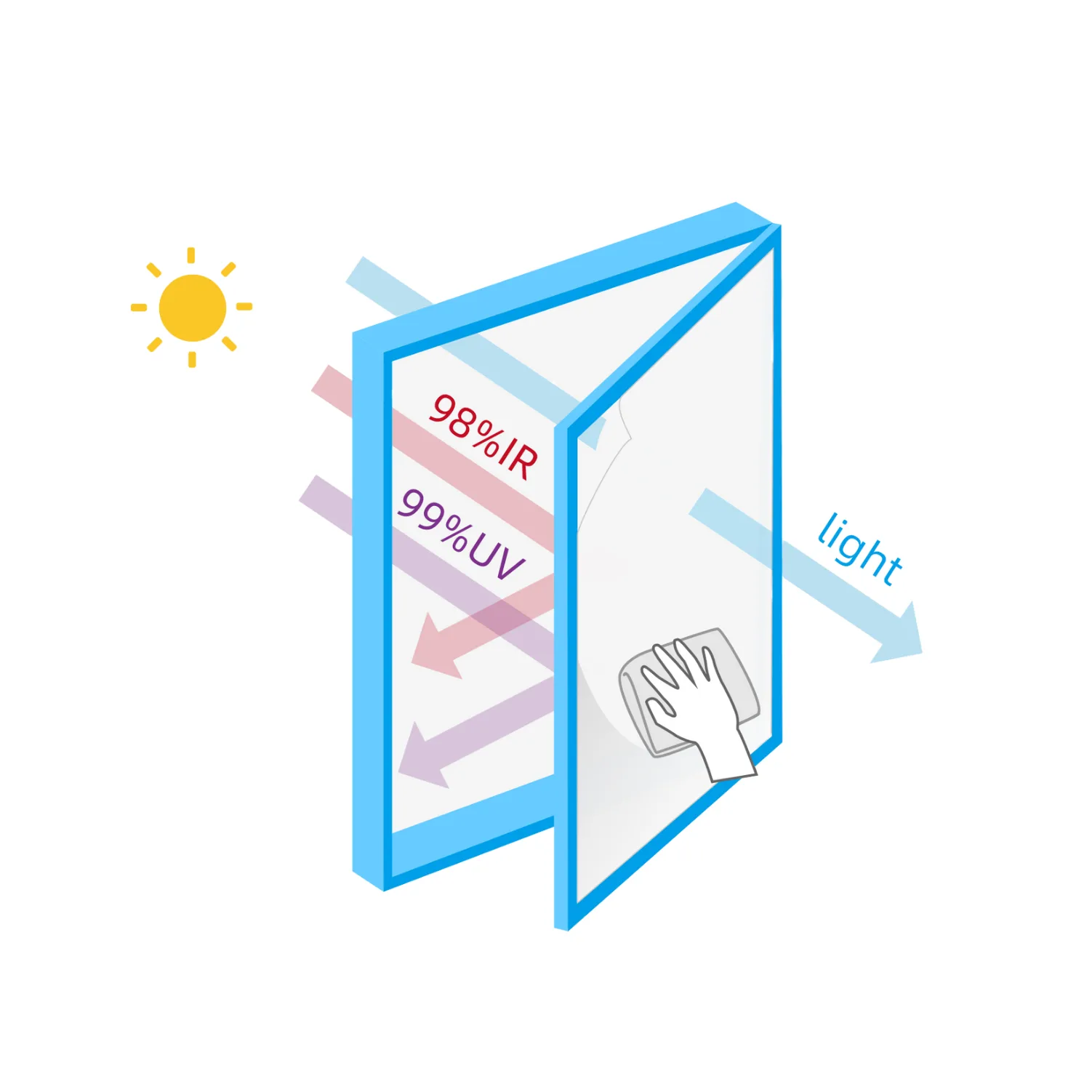
Sunlight brings both UV radiation and heat (IR) into a room. PDLC film blocks more than 95% of UV radiation, which helps reduce heat build-up and can lower the need for cooling. Actual savings depend on the building and the orientation of the glass.
Space division
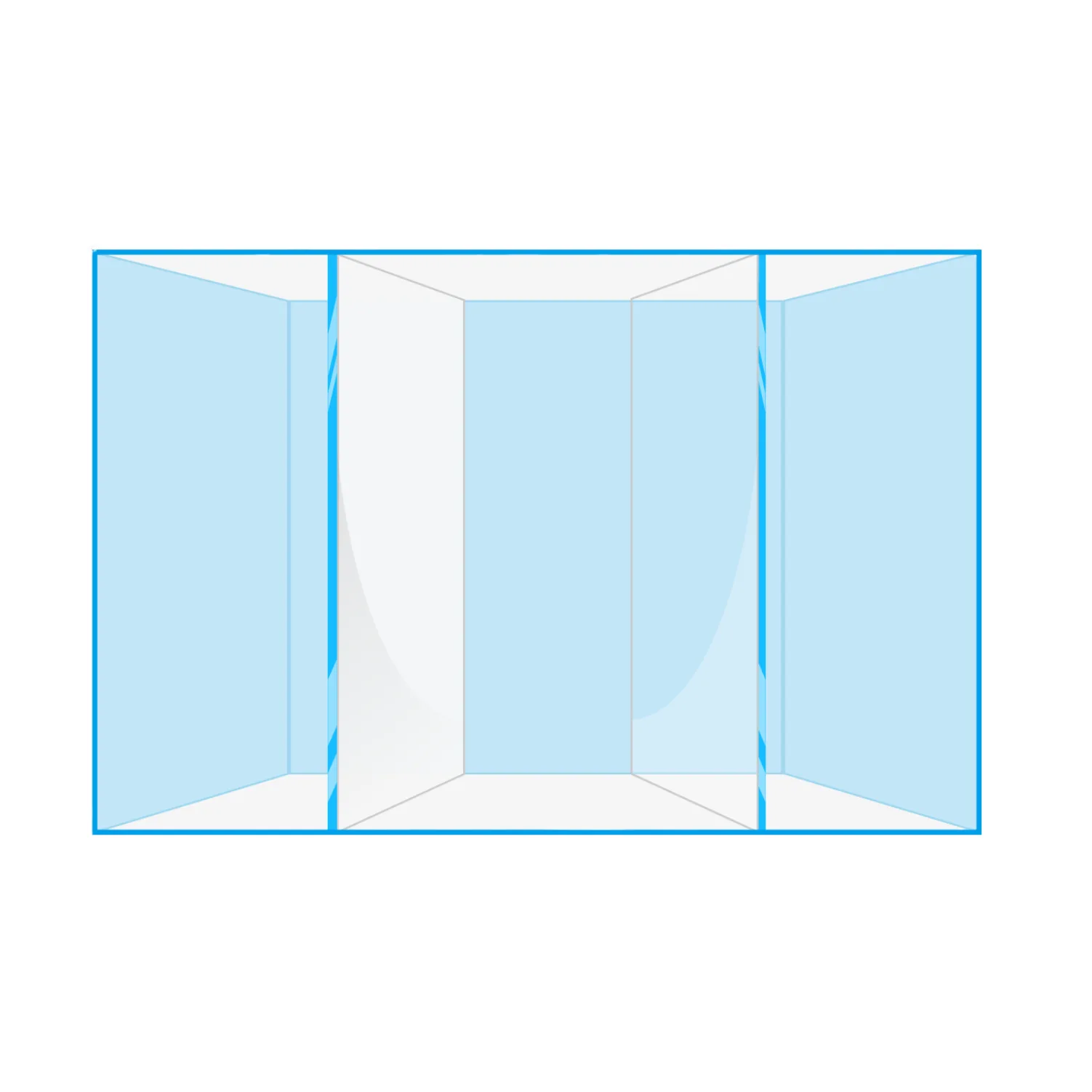
Glass surfaces can become a visual partition or an open space in just a few moments. That way one space can serve multiple functions without the need for classic walls, curtains or blinds. The film can also be installed in freestanding partitions, counter partitions and office partitions.
Environmental protection and energy efficiency
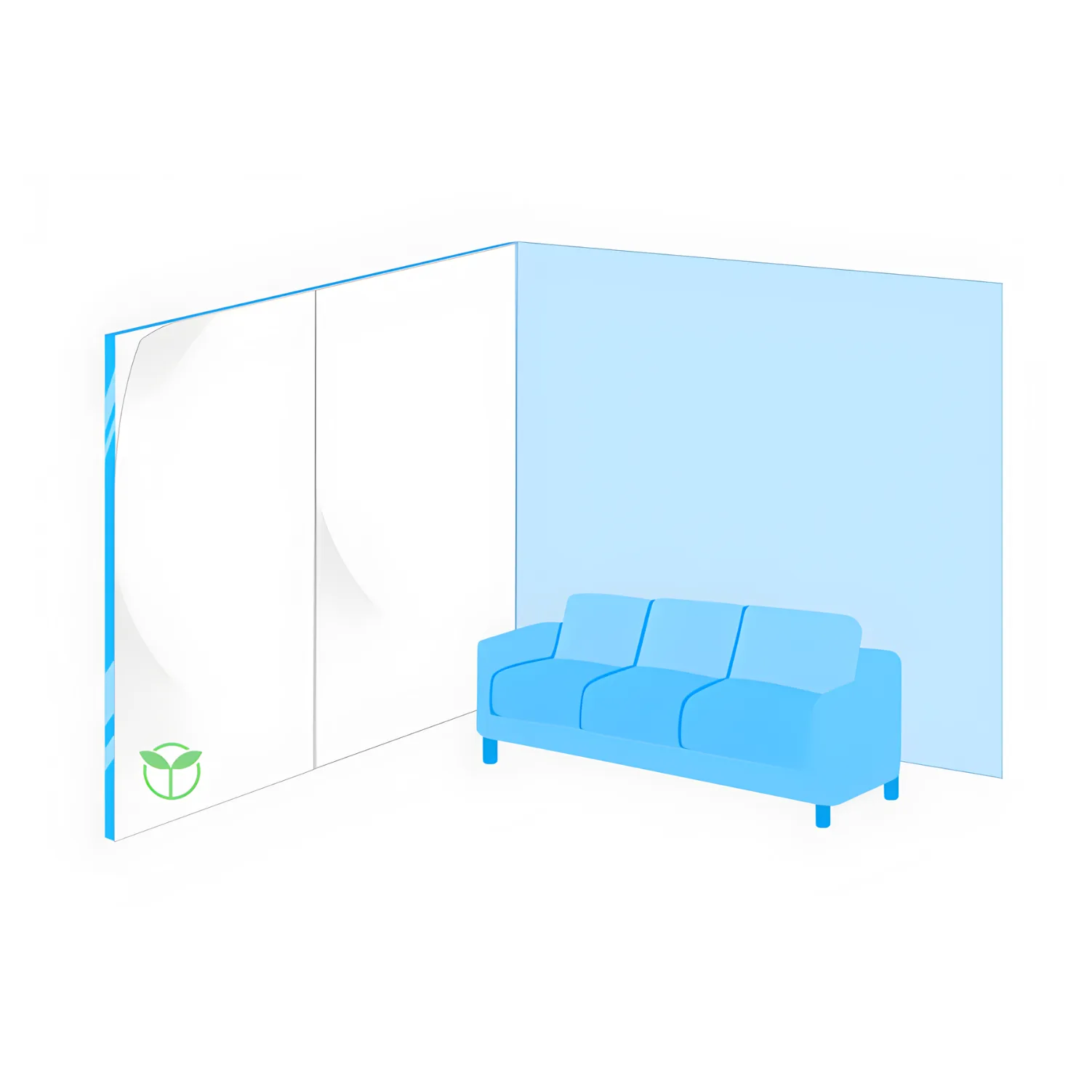
PDLC film enables the use of natural daylight while controlling privacy and the passage of solar radiation. Depending on the application and the characteristics of the building, it can help reduce the need for artificial lighting and cooling.
Added security
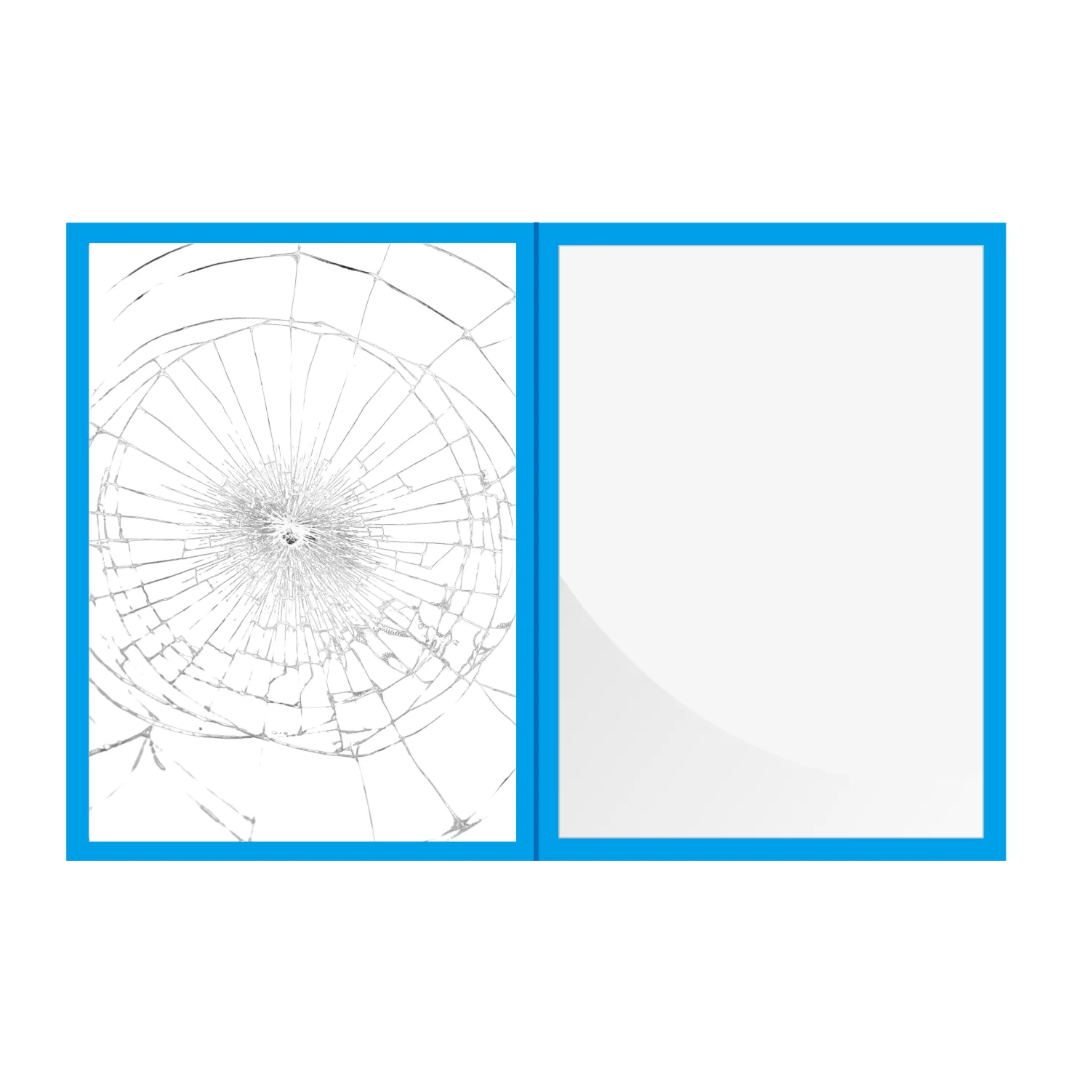
In the frosted state the film blocks the view into the space, so it can help protect equipment, property and sensitive areas from unwanted glances. In certain configurations the film can also help hold glass shards together after breakage.
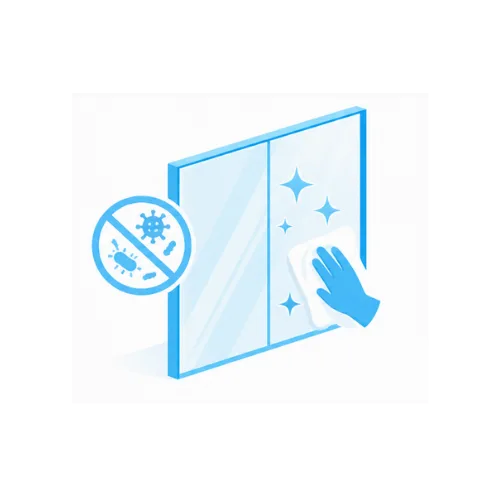
Hygiene and sterility without curtains
PDLC film replaces textile curtains and mechanical blinds that trap dust and allergens. The smooth glass surface is cleaned and disinfected with standard products, with minimal maintenance. It is especially suitable for healthcare facilities, clinics, hotels and offices.
Common drawbacks of smart film
The most common cause of improper operation is incorrect installation or preparation, not the film itself, since PDLC film has no mechanical parts that could break. The most common causes of failure are incorrectly placed or insufficiently protected busbars, improper edge sealing and power supply interruption.
That is why we generally recommend the self-adhesive version. With laminated film, the film is permanently sealed between glass layers, so inspecting the busbars means removing the glass from its frame, and if the fault cannot be repaired, the glass has to be replaced or stays permanently frosted. With the self-adhesive version, access to the busbars is easy, and as a last resort the film can be removed and a new one applied. Power supplies always follow the same standard regardless of wattage, so replacing one is quick.
Who smart film is not right for
If you need total blackout, PDLC film is not the right solution, because it frosts the glass rather than darkening it. For glass surfaces exposed to high temperatures and intense sun there is the high-temperature H-T model, while standard models are intended primarily for indoor use.
Frequently asked questions
Is smart film a good choice for an office or home?
Yes, if you need privacy on demand without curtains or blinds. It is not a good choice if you need total blackout.
Does smart film save energy?
It can help reduce the need for cooling and artificial lighting because it blocks UV radiation and part of the heat. Actual savings depend on the building.
What are the biggest drawbacks of smart film?
Most problems result from improper installation: faulty busbars, poor edge sealing and power supply interruption. Proper installation significantly reduces this risk.
Is smart film hygienic?
Yes. The smooth glass surface is cleaned with standard products, with no textiles to wash.